What Are Nootropics Good For?
As an Amazon Associate we earn from qualifying purchases. Product links on this page go to Amazon.
Nootropics have been making headlines lately and have a growing number of people interested in what they are and what they do. So, what are nootropics good for? The answer is supporting healthy brain function in many different ways.
Nootropics are also called smart drugs or brain supplements, but no matter what you call these memory-enhancing substances, there are growing bodies of scientific evidence that nootropics are capable of achieving some pretty impressive results.
What Is a Nootropic
Nootropics are medications, dietary supplements, and synthetic compounds that are either known or thought to have a positive effect on brain function and cognitive performance.
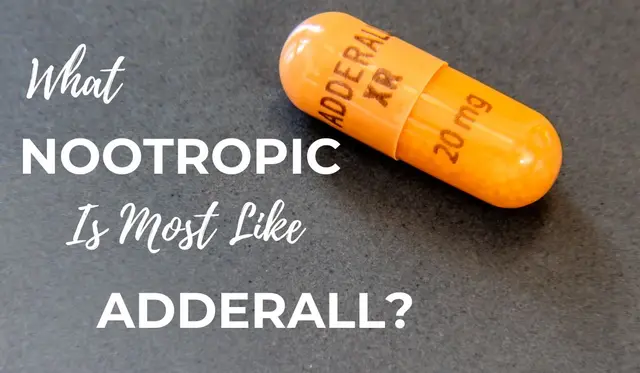
Nootropics can come in the form of a prescription from your doctor, as is the case with Adderall or Modafinil. Adderall is a well-known medication that is used to treat ADHD, while Modafinil is a medication used to treat a variety of conditions, including being used to improve brain function in patients with dementia or Alzheimer’s.
You can also purchase nootropics OTC or online. Some are actually labeled as nootropics, most often in the form of a “stack,” which is simply more than one nootropic being used at the same time.
But often, a nootropic might be an herbal supplement that you’re already familiar with, such as Panax ginseng or creatine supplementation, that also works to improve cognitive function – even if the packaging doesn’t have the label of “nootropic” attached.
What Nootropics Do
A nootropic is a cognitive enhancer. It doesn’t actually change brain cells permanently, but it does enhance brain performance through several mechanisms. Many nootropics increase blood flow and oxygen to the brain. This is critically important for healthy brain function.
Many nootropics also have antioxidant properties, meaning they fight oxidative stress from free radicals. Free radical damage can cause inflammation, cellular damage, and homeostatic disruption, which can lead to disease.
In addition to this, nootropics offer neuroprotective properties and help to ensure that all the synapses in your brain are firing as they should.
Nootropics generally do not directly increase neurotransmitters, but the processes by which they work do have a positive impact on increasing neurotransmitters such as dopamine, norepinephrine, acetylcholine, and serotonin.
Beneficial Effects of Nootropics
Because we’re talking about such a large range of supplements, substances, and medications, there’s also an incredible range of benefits.
Some nootropics are mainly neuroprotective, while others get right to work helping to boost dopamine or serotonin. These two pathways are going to have very different benefits.
Still, there are certain benefits that are pretty common across the board. Potential benefits include:
- Protection against brain aging
- Improve memory and mental functions
- Enhance cognition
- Creates a more alert mental state
- Mood enhancement
- Improved focus and concentration
- Faster mental reaction time
- Less brain fog
- Better sleep
- Fewer symptoms of anxiety and depression
- Relieves symptoms of age-related cognitive decline
On the flip side, there are some not-so-pleasant effects, and again, these depend largely on which nootropics you’re using, how often you’re taking them, and what dose you’re using.
For example, caffeine is a nootropic, but how much caffeine you consume can drastically affect the results. Just the right amount creates an alert mental state and an energy boost.
Too much caffeine can cause anxiety, jitters, and short-term high blood pressure, which can be a significant issue for someone who already has pre-existing hypertension.
OTC vs. Prescription Nootropics – What They Do
We can classify nootropics or smart drugs into three general categories – natural nootropics, prescription medications, and synthetic nootropic drugs, some of which haven’t been approved by the FDA and often lack systematic reviews and randomized controlled trials to offer more insight into their effectiveness, benefits, and harms.
Prescription nootropics are medications that are prescribed to manage symptoms of a specific condition. This includes medications to manage Attention Deficit Hyperactivity Disorder, medications to treat narcolepsy, shift work sleep disorder, and obstructive sleep apnea.
Then, there are nootropic drugs to treat certain brain diseases, primarily for dementia symptoms and to help Alzheimer’s Disease patients maintain mental function.
Prescription nootropics should only come in the form of a prescription provided by a healthcare provider who is familiar with your current health and medical history.
However, medications such as Adderall, Ritalin, and Modafinil are sometimes acquired illegally and used for nootropic purposes, which can be dangerous and carry a higher risk of serious side effects.
Non-Prescription Options
OTC nootropics is really a broad range of supplements and substances that are known as cognitive enhancers. You’re likely already familiar with a good number of them.
- Caffeine
- CBD
- CoQ10 (Ubiquinol)
- Creatine
- DHA (Omega 3 Fatty Acids)
- Ginkgo Biloba
- Kava Kava
- Lion’s Mane Mushroom
- Melatonin
- Nicotine
- Panax Ginseng
- Resveratrol
- Tryptophan – an essential amino acid
- Vitamins B1, B3, B5, B6, B8, B9, B12, and Vitamin D
This is not even close to being a complete, comprehensive list. There are currently over a hundred supplements, substances, and medications that are considered nootropics.
What all the nootropics on the above list have in common is that for most healthy adults, they are safe and come with few side effects. Nicotine is the obvious exception here, but it can be safely used in very small doses – as long as the delivery method is safe. Smoking releases way too many toxins and carcinogens and definitely causes more harm than good.
While more research is needed for many nootropics, there are growing bodies of research and ample anecdotal evidence that these nootropics can have very positive effects on both brain health and mental health.
However, simply following a healthy diet, where you’re getting a range of vitamins and nutrients, can also have a positive effect with no supplements needed.
While natural nootropics can be very beneficial if you want to boost brain function to help you get through the day or maybe help improve your working memory so you can remember the names of everyone you just met at that important meeting, certain nootropics can help with mild cognitive impairment and age-related cognitive decline.
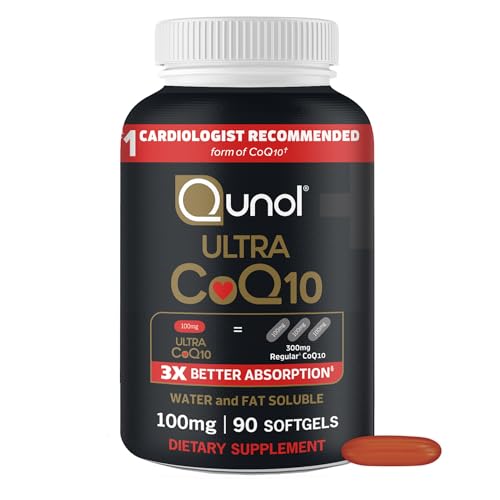
For example, CoQ10 fights oxidative stress, relieves fatigue [1] and offers neuroprotective benefits [2], which is even more important as we age. CoQ10 offers other benefits and is considered a safe supplement for most healthy people.


Prices as of Oct 31, 2026, 6:43 PM ET. Subject to change.
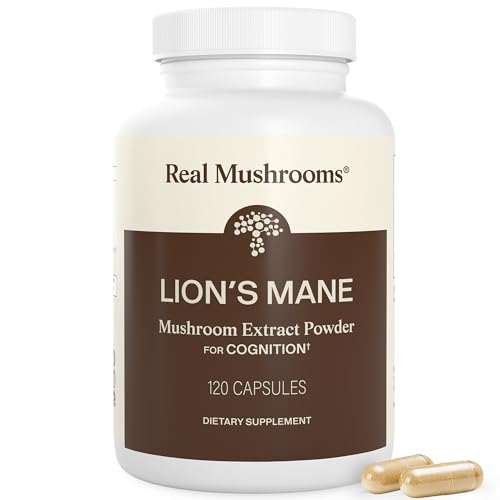
Lion’s Mane mushroom has also had a good deal of research behind it lately, especially where cognitive effects are concerned. There’s evidence to suggest that it can improve brain health and may potentially help patients with dementia and Alzheimer’s disease maintain a level of cognitive ability. [3]


Prices as of Oct 31, 2026, 6:43 PM ET. Subject to change.
Nootropic supplements are more than just another alternative medicine trend, and any can be used safely to boost brain performance, memory, and learning. There’s a promising future here, but it’s also important to avoid taking medications that weren’t prescribed to you and also make sure you use natural substances carefully, paying attention to dosage and warnings.
FAQs
What are the benefits of nootropics?
Nootropics are cognitive enhancers that improve mental performance and may prevent cognitive decline. Benefits can include enhanced cognition, improved memory, better focus, improved mood, and quicker mental reaction times.
What are the side effects of nootropics?
There are so many nootropics that it’s impossible to list all of the potential side effects. While some may have significant side effects, most healthy individuals can tolerate many of the most common nootropics with minimal side effects or health risks. Headache, stomach upset, dry mouth, sleep disturbances, and mood changes are among the most common side effects.
Is it good to take nootropics every day?
It depends on which nootropic supplements you’re taking and your body’s response to them. Certain smart drugs shouldn’t be used every day or should be used for a restricted duration before cycling off of them. Some people find that daily dosing is most effective, especially with a nootropic such as caffeine. However, others find that every other day or twice weekly supplementation is best to optimize cognitive function.
What do nootropics do to the brain?
Nootropics improve blood flow to the brain, improve the brain’s glucose supply, stimulate neurotransmitter production, and increase alpha waves in the brain. All of this leads to a range of cognitive benefits, from enhanced memory and focus to improved mood.
Key Takeaways
- Nootropics are medications, substances, and supplements that improve memory and cognitive function
- There are more than a hundred nootropics that we know of
- There’s convincing evidence of the benefits of many nootropics, including both supplements and medications
- Benefits can include improved memory, focus, alertness, mood, and more
- Establishing natural nootropics as part of your healthy living routine can offer cognitive benefits well into the future
Sources
Keep reading